| |
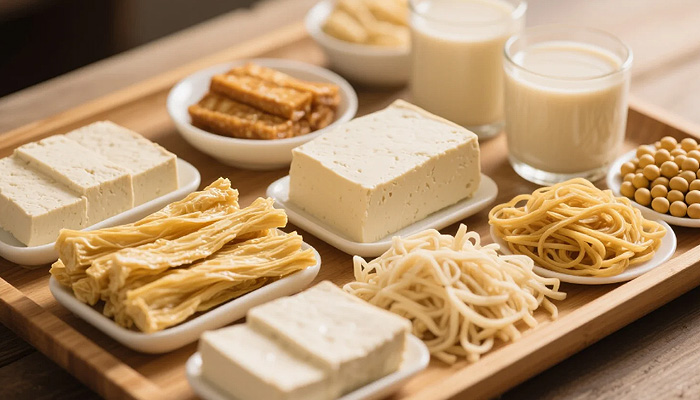 |
| Latest research: Eating more legumes can reduce cardiovascular and mortality risks |
| Recently, Dr. Zhang Ruixue from the Chinese Academy of Medical Sciences, Peking Union Medical College, and Fuwai Hospital published a study titled "The Relationship between Bean Intake and Major Cardiovascular Events and all-cause Death" in the Chinese Journal of Hypertension. The study showed that increasing bean intake in moderation is associated with a lower risk of major cardiovascular events and al |
| |
|
| |
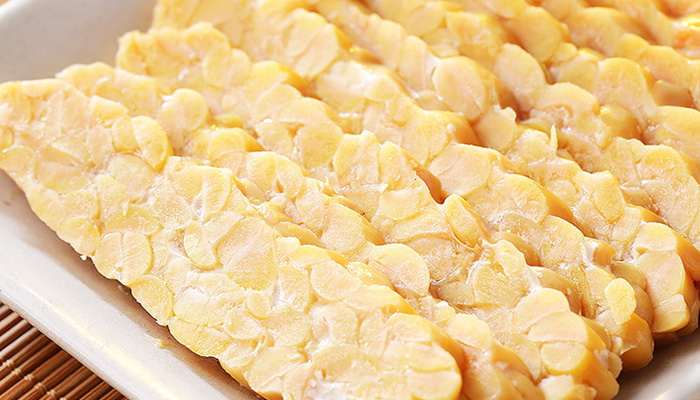 |
| Latest research: This fermented soybean product can extend lifespan and improve health status |
| Recently, a research team from the Department of Nutrition and Food Science at the University of Maryland published an article titled "Tempeh, a fertilized soybean, extends life span via MAPK pathway and improvements in healthy aging in Caenorhabditis elegans" in the journal Current Research in Food Science. This study found that extract from Tianbei can extend the lifespan of nematodes by up to 45% and |
| |
|
| |
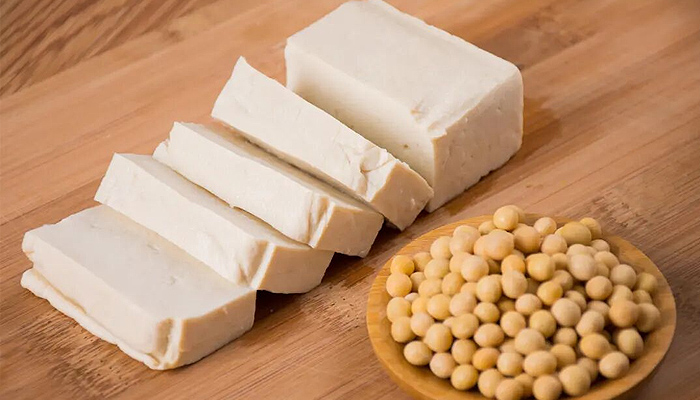 |
| Eating 30 grams of soy protein every day is beneficial for intestinal and muscle health! |
| Recently, the international authoritative journal "Journal of Cachexia, Sarcopenia and Muscle" published the heavyweight research results of Sun Jianqin's team at East China Hospital. The study confirmed through clinical trials that daily intake of 30 grams of soy protein can effectively improve muscle health; The key to its effectiveness lies in the dietary supplementation of soy protein, which can rec |
| |
|
| |
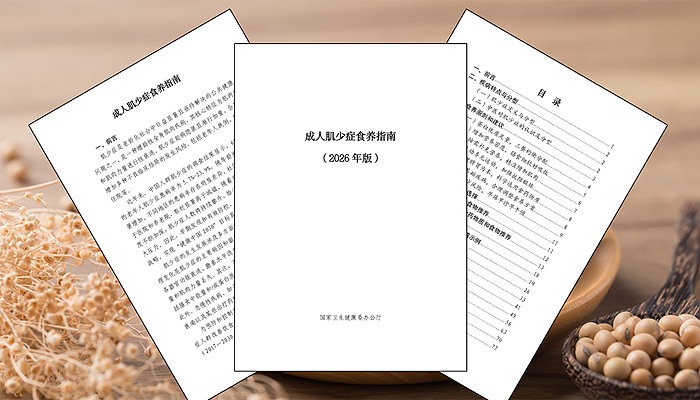 |
| Dietary Guidelines for Adult Sarcopenia (2026 Edition) by the National Health Commission: Soy protein is particularly important for muscle synthesis |
| Recently, the National Health Commission organized the release of the "Dietary Guidelines for Adult Sarcopenia (2026 Edition)", emphasizing that "soy protein" is a "high-quality protein" and clarifying that "soy protein is particularly important for muscle synthesis". Suggestion: For adults with sarcopenia, the proportion of high-quality protein intake to total protein should be as high as 60% or more.< |
| |
|
| |
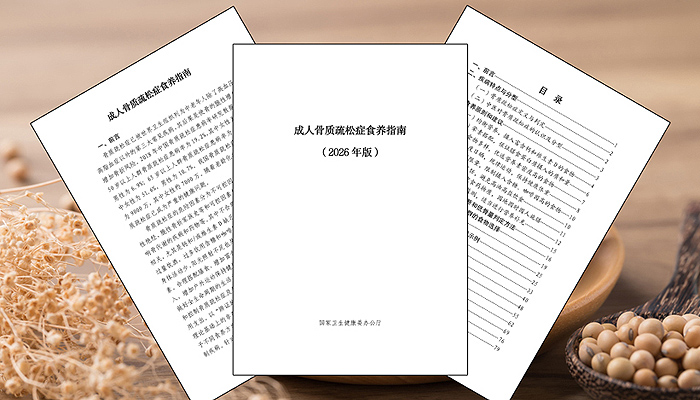 |
| The National Health Commission's "Dietary Guidelines for Adult Osteoporosis (2026 Edition)" recommends frequent consumption of soy products |
| Recently, the National Health Commission organized the release of the "Dietary Guidelines for Adult Osteoporosis (2026 Edition)", which proposes that "legumes and their products" are the main food sources of calcium. It is clear that in plant-based foods, soybeans and nuts are rich in protein, and soy isoflavones contained in soybeans can protect against menopause related bone loss and promote bone form |
| |
|
| |
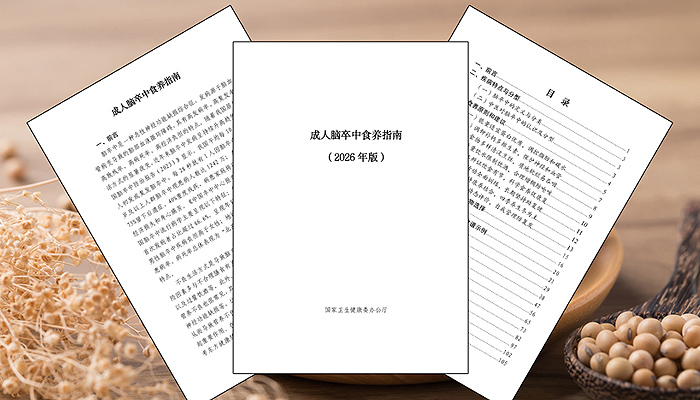 |
| Food and Nutrition Guidelines for Adult Stroke (2026 Edition) issued by the Health Commission: soybeans and their products are conducive to regulating blood lipids and preventing atherosclerosis |
| Recently, the Dietary Guidelines for Adult Stroke (2026 Edition), prepared by the National Health Commission, was released, which proposed to "increase the intake of high-quality vegetable protein, such as soy protein." It was clear that soybeans (including soybeans, green beans and black beans) and their products are conducive to regulating blood lipids and prev |
| |
|
|